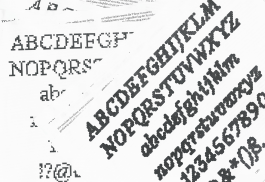
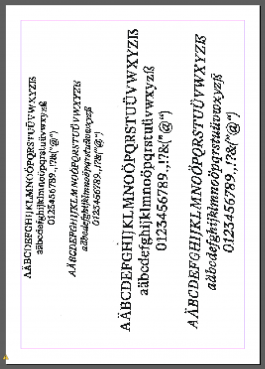
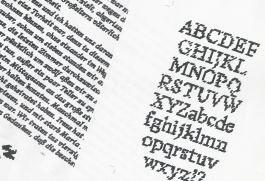
While working on the Regular and Italic styles of Hagel, several proofing sheets were printed to evaluate the typeface. A glyph overview in various sizes was exported as a PDF and printed with a laser printer.

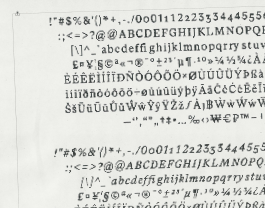
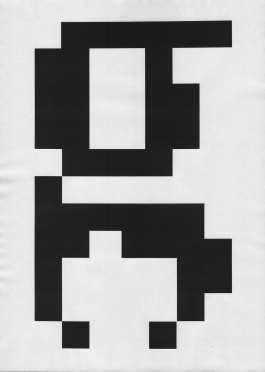
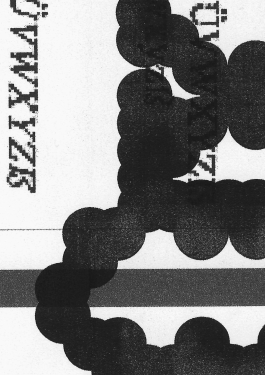
Scanning the sheets allowed for closer inspection of the smallest sizes. During this process, a broken image link in InDesign produced a distorted and pixelated preview. The glitchy result, which was both unexpected and compelling, encouraged a closer look.

Screenshots were taken and the distorted forms were traced in Glyphs, forming the basis for a new, pixel-based typeface.

This second typeface was constructed using modular components to build the glyphs, which made it convenient to explore variations.

Replacing square pixels with circular ones took just seconds and created a markedly different visual tone. Continued experimentation led to six interrelated styles, that are all based on the same foundation.
The resulting typeface, ML-25, builds on the glyphs and structure of the Hagel type family. It features three axes: italic, weight, and shape, and offers four predefined instances. Its glyph set includes 300 characters and supports up to 74 languages.

Once and if ever completed, ML-25 will most likely be published as an open-source variable typeface. Until then it is available on request.

While working on the Regular and Italic styles of Hagel, several proofing sheets were printed to evaluate the typeface. A glyph overview in various sizes was exported as a PDF and printed with a laser printer.

Scanning the sheets allowed for closer inspection of the smallest sizes. During this process, a broken image link in InDesign produced a distorted and pixelated preview. The glitchy result, which was both unexpected and compelling, encouraged a closer look.

Screenshots were taken and the distorted forms were traced in Glyphs, forming the basis for a new, pixel-based typeface.

This second typeface was constructed using modular components to build the glyphs, which made it convenient to explore variations.

Replacing square pixels with circular ones took just seconds and created a markedly different visual tone. Continued experimentation led to six interrelated styles, that are all based on the same foundation.
The resulting typeface, ML-25, builds on the glyphs and structure of the Hagel type family. It features three axes: italic, weight, and shape, and offers four predefined instances. Its glyph set includes 300 characters and supports up to 74 languages.

Once and if ever completed, ML-25 will most likely be published as an open-source variable typeface. Until then it is available on request.
© 2026 SCIFIPOETRY